
Why thoughtful maintenance plans keep business cleaning services properties guest-ready year-round
In business cleaning services, where new retail concepts and professional parks seem to pop up every quarter, facility leaders need cleaning strategies that evolve as quickly as their tenant rosters. The city’s diverse mix of high-tech offices, healthcare suites, and boutique showrooms means custodial routines can’t be one-size-fits-all. Instead, forward-thinking operations managers are embracing smart scheduling—a data-driven approach that uses traffic patterns, occupancy trends, and seasonal realities to guide every vacuum pass and upholstery extraction.
Consider the rhythm of a typical business cleaning services workweek. On Mondays, lobby carpets soak up damp footprints from commuters returning after weekend storms. By Thursday night, meeting spaces have weathered catered lunches, whiteboard touch-ups, and lots of rolling chair friction. A static cleaning plan can’t anticipate those fluctuations, but an adaptive calendar built around peak-use analytics can. When you line daily janitorial tasks, periodic deep cleans, and quarterly restorative services with real occupancy spikes, you minimize disruption while protecting the look and lifespan of textiles.
Analytics start with baselining. Leading business cleaning services providers now capture footfall counts and air quality readings in high-impact zones—think elevator banks, shared conference centers, and lounge seating. When those metrics are cross-referenced with tenant schedules and building events, the result is a cleaning map that pinpoints exactly when carpet pile needs agitation or when upholstery fibers require hot water extraction versus low-moisture encapsulation. For property managers, the payoff is twofold: fewer surprise stains for tenants to complain about and tighter control over overtime spending.
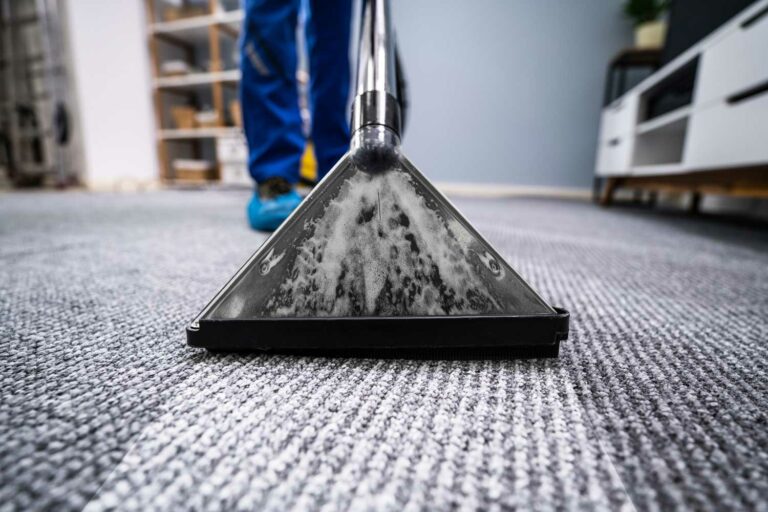
Another perk of smart scheduling is the ability to layer cleaning methods within the same maintenance window. For example, a business cleaning services tech might start with HEPA vacuuming to remove dry soils, follow with targeted spot treatment on coffee spills, and then finish with a fast-dry encapsulation pass. Each step is timed so that conference rooms can reopen within hours, not days. This sequencing is especially valuable in buildings that host rotating trainings or community pop-ups; the space looks refreshed between bookings while the carpet backing never saturates.
Seasonal pivots are also easier when your plan is built on data instead of habit. During pollen-heavy spring weeks in business cleaning services, it makes sense to increase air scrubbing and soft-surface sanitizing because allergens hitchhike on clothing and settle into fabrics. In contrast, late autumn requires more matting rotation and frequent vacuuming near entryways to trap leaf debris before it grinds into fibers. By programming these adjustments into the annual calendar, you give facility teams a proactive roadmap and ensure tenants notice consistency—even when the weather swings wildly.
Smart scheduling relies on communication as much as technology. Regular walk-throughs with tenants help confirm that the plan still mirrors real-life use. A retailer might switch merchandising layouts, redirecting traffic to new areas of the showroom. A medical tenant could add a second waiting area that needs nightly sanitizing. When the cleaning team is looped in early, they can shuffle frequencies without derailing the broader plan. Many business cleaning services companies now offer shared dashboards where managers see upcoming services, technician notes, and post-visit photos to keep everyone aligned.
Budget optimization is another reason commercial parks across business cleaning services are leaning into smarter planning. By clustering similar services—say, upholstery touch-ups for multiple floors—on the same day, you reduce mobilization costs. Likewise, tracking soiling rates lets you expand or contract cleaning intervals instead of blindly committing to monthly extras that may not be necessary. Transparent metrics help finance departments see exactly why certain line items increase, which simplifies justification during annual reviews.
If you are evaluating partners, ask how they capture usage data and whether they can demonstrate the impact of schedule tweaks. Do they log moisture levels after carpet extractions? Are they using ATP meters to verify sanitization in waiting rooms? Do they adjust staffing when building access logs show lower occupancy? Detailed answers signal a company that understands the nuance of business cleaning services properties and can tailor support accordingly.
Ready to modernize your facility plan? Align your next budgeting cycle with a smart scheduling pilot. Start with a high-visibility zone—perhaps the lobby or executive floor—and track satisfaction scores, response times, and maintenance costs before and after implementation. Most teams see improvements within one quarter, and the lessons learned can be scaled across the campus. For further insight into textile care options that fit these plans, visit our main Carpet & Upholstery Cleaning page.
Need help designing a data-informed rotation for your property in business cleaning services? Call 443-866-6185 to connect with a local specialist who can align cleaning technology, technician schedules, and tenant expectations without disrupting your daily operations.