Why office building cleaning plans must evolve as fast as the workspace itself
Office building cleaning is no longer a back-of-house chore; it is the backbone of tenant satisfaction, employee wellness, and brand reputation across every commercial corridor in town. From corner suites overlooking downtown plazas to mid-rise complexes tucked along suburban business parks, facilities managers in office building cleaning districts are being asked to do more with less while meeting uncompromising cleanliness expectations. The good news is that a strategic mix of preventive surface protection, data-informed scheduling, and greener chemistry can deliver pristine results without exhausting budgets or teams.
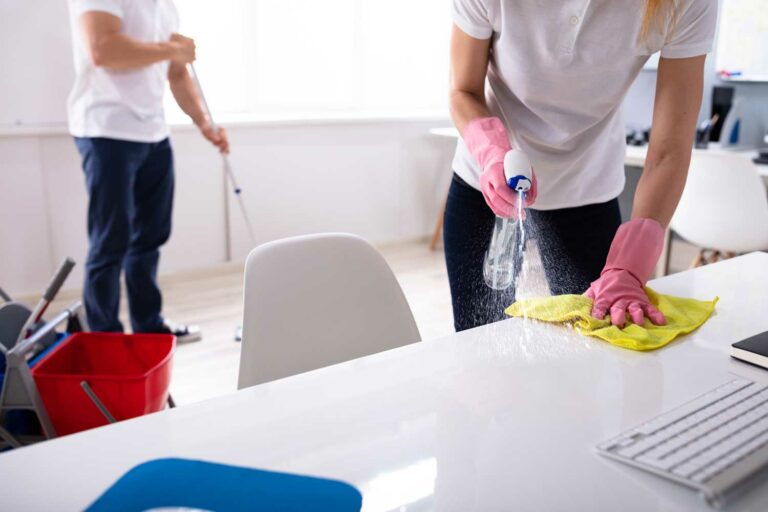
The first priority for any property manager overseeing office building cleaning is understanding how each surface reacts to daily traffic. Lobby turnstiles, elevator buttons, conference tables, and breakroom counters are touched hundreds—sometimes thousands—of times per day. Traditional wipe-downs can stem the tide temporarily, but they rarely provide the microscopic barrier needed to keep high-touch zones sanitary between custodial rounds. That is where advanced surface sealants come into play. Applied after a thorough clean, these innovative coatings create a transparent shield that makes it harder for microbes, oils, and grime to cling. In practical terms, this means the marble reception desk retains its shine longer, and the stainless-steel fridge in the café stays fingerprint-free through lunchtime rushes.
Of course, sealants are not a substitute for consistent office building cleaning—they are a force multiplier. When you layer scheduled disinfecting with smart protective films, you extend the life of every wipe and mop. This has a domino effect on labor efficiency, supply consumption, and even utility costs because crews can focus on detail work rather than constantly redoing the same hotspots. Local property teams who track touchpoint counts and pair them with sealant lifespans are already seeing measurable returns: fewer sick-day complaints, better tenant survey scores, and lower turnover among cleaning staff who feel empowered rather than overwhelmed.
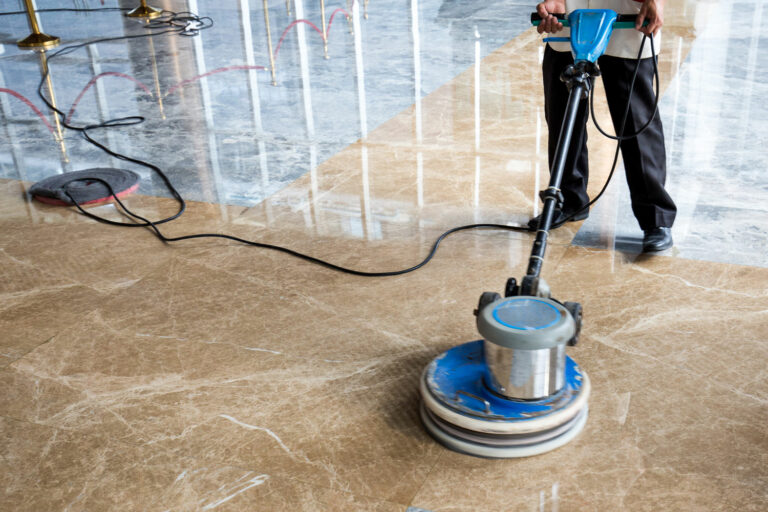
Sustainability is another priority reshaping the office building cleaning landscape. Tenants increasingly ask whether their workspace maintenance aligns with broader ESG goals. It is not enough to say “we clean nightly”; companies want to know the products are low-VOC, the processes minimize water waste, and the equipment is energy efficient. Switching to electrostatic sprayers that distribute disinfectant evenly without oversaturating surfaces, upgrading to auto-scrubbers with smart dosing controls, and using biodegradable microfiber pads all help meet these demands. When combined with sealants designed to last weeks instead of days, office buildings can slash chemical usage while preserving the glossy finishes that tenants love.
Another tip for the office building cleaning community is to build cleaning schedules around real-time occupancy trends. Hybrid work has changed traffic patterns dramatically: some floors now host peak activity mid-week, while others see surges during after-hours events. Rather than cleaning every floor identically, adopt a tiered approach. Use keycard analytics or simple head counts to categorize zones as high, medium, or low touch. High-touch floors might need nightly disinfecting plus weekly sealant refreshes; medium-touch areas might be best served with sealant applications every other week; low-touch files rooms can be maintained monthly. This targeted plan guards against over-cleaning, reduces tenant interruptions, and aligns budgets with actual usage.
Noise control is another locally relevant issue for office building cleaning teams. Tenants increasingly host virtual meetings at all hours, so roaring vacuums at 5 p.m. can generate complaints. Consider shifting certain tasks earlier in the day when suites are empty or investing in quieter equipment. Pairing fast-curing surface sealants with low-decibel tools keeps spaces spotless without disrupting afternoon conference calls. Communicate schedules through digital tenant portals so occupants know when to expect crews and can plan around them.
Do not overlook the role of education. Janitorial supervisors in the office building cleaning neighborhood have found that short how-to videos or lobby signage explaining the benefits of surface protection build trust. When tenants understand that a treated workspace resists microbes longer, they are more likely to follow shared etiquette—like wiping gym equipment after use or reporting spills promptly. This spirit of partnership is especially important in multi-tenant towers where one sloppy kitchen can undermine an entire floor’s cleanliness.
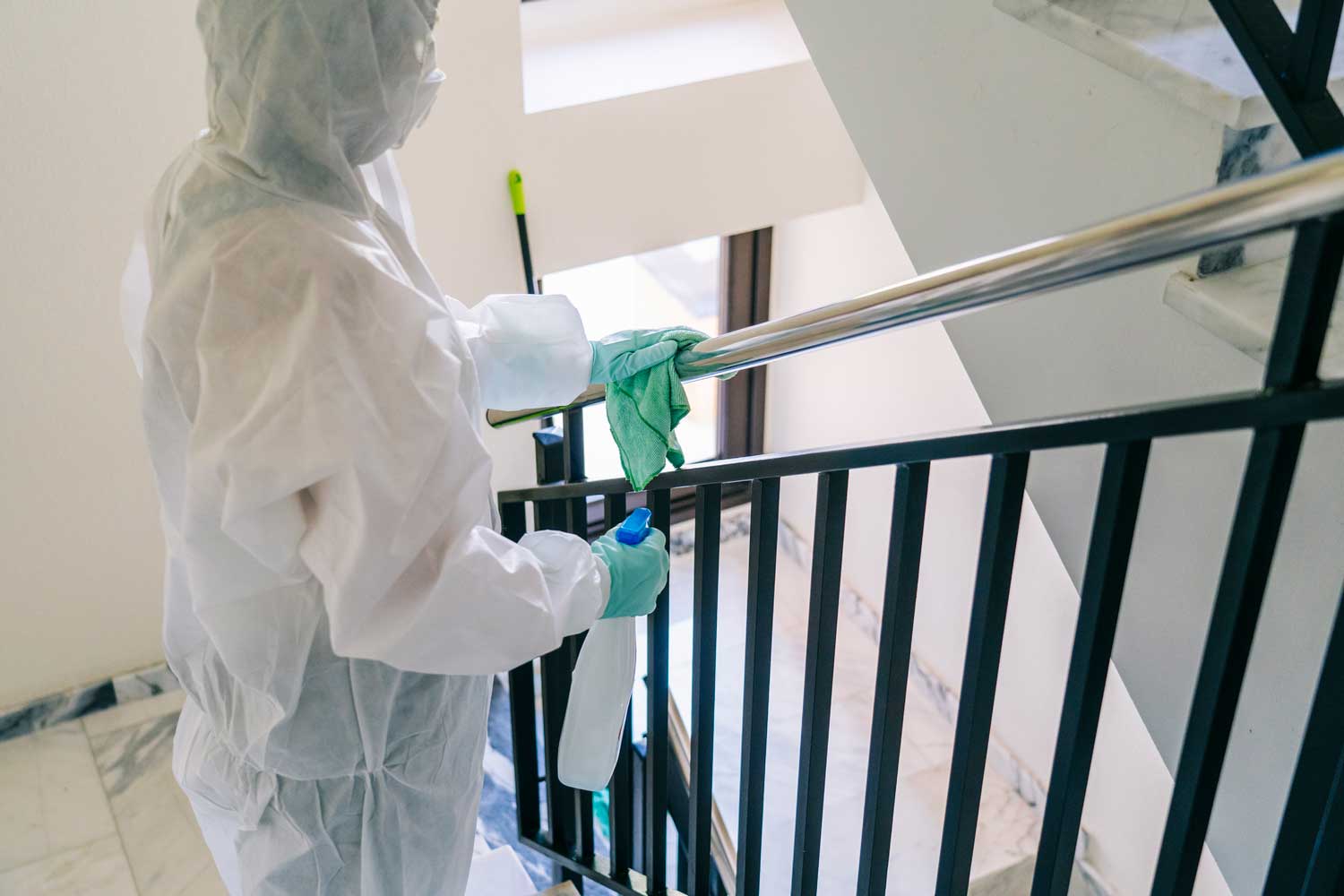
Finally, always have a response plan ready. Whether it is an unexpected spill on the atrium terrazzo or a seasonal uptick in flu cases, rapid action can prevent minor issues from escalating. Keep a toolkit stocked with neutral cleaners safe for sealant-covered surfaces, disposable PPE for staff, and clear escalation protocols. A quick-response mindset reassures tenants that cleanliness is under constant surveillance, not just a nightly checklist task.
Office managers and property owners who adopt these layered strategies—protective sealing, data-driven scheduling, sustainable processes, noise-aware operations, and proactive communication—are setting a new benchmark for office building cleaning excellence. When you are ready to upgrade your maintenance plan, partner with specialists who live and breathe the nuances of commercial environments. Reach out to our local team at 443-866-6185 for tailored recommendations and rapid deployment.
For more details, visit our main Surface Sealants page.