Give every corridor, lobby, and conference suite in office building cleaning the protection it deserves
Office building cleaning has never been a simple mop-and-bucket job. Commercial parks and multi-tenant towers juggle kitchens, open-plan workspaces, server rooms, and retail nooks that operate on different hygiene timelines. To keep these high-traffic spaces productive and reputation-ready, property managers are pairing traditional janitorial schedules with protective technologies that proactively shield surfaces. The result is a smarter cleaning ecosystem that cuts down on emergency calls and keeps occupants confident about the health of their workplace.
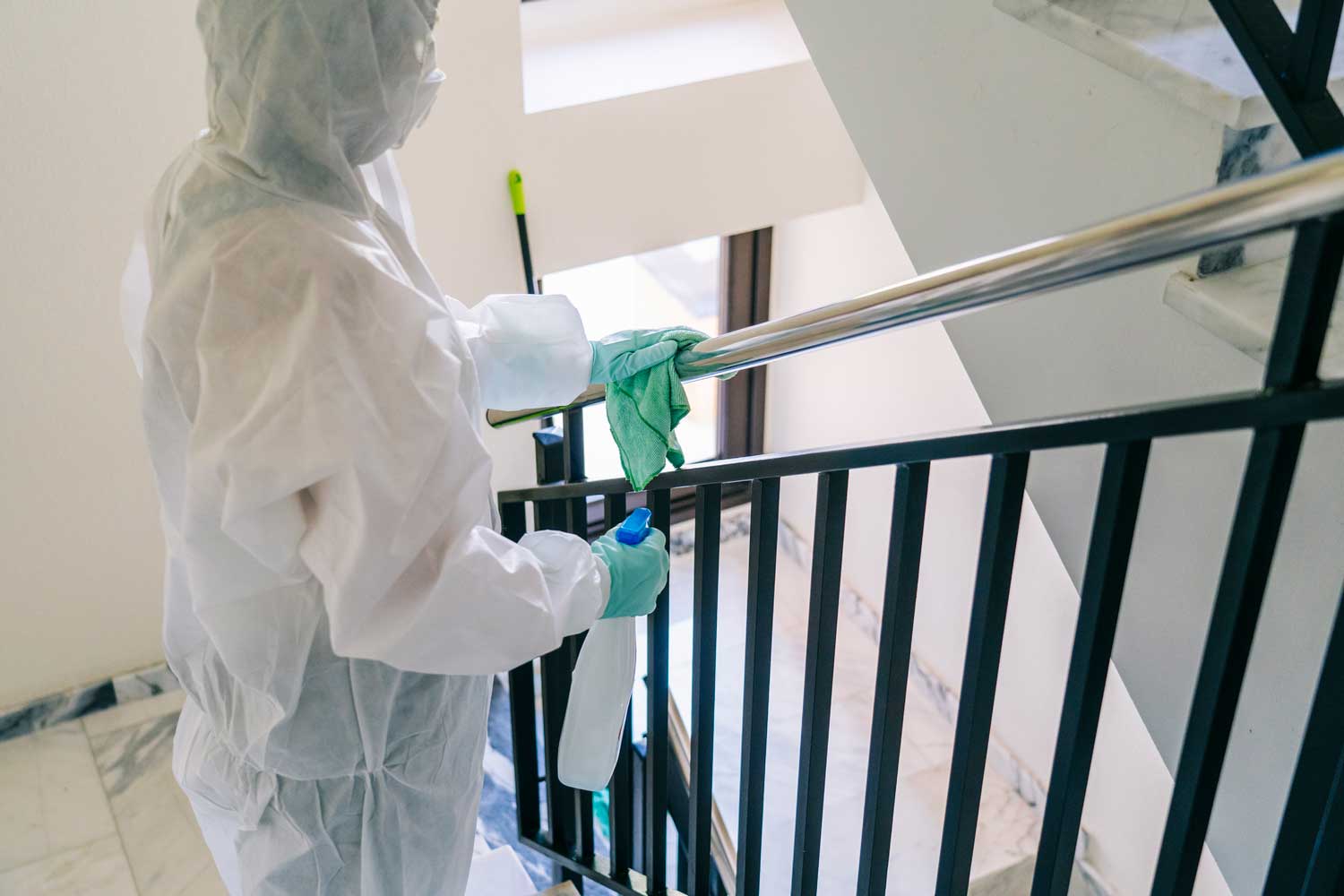
The most successful facility teams in office building cleaning start by reassessing their daily routes. Instead of chasing spills all day, they categorize every square foot by risk, occupant density, and touch frequency. Elevators, restroom partitions, and break room appliances demand more than nightly wipe-downs. By layering in durable surface sealants after routine disinfecting, these hotspots resist recontamination for weeks, freeing staff to focus on deeper tasks such as grout restoration or upholstery care.
Think about the major gathering points across office building cleaning: lobby concierge desks, co-working lounges, and glass-walled conference rooms used by visiting clients. These areas send a message about the entire complex. Sealant technology built with nanoscopic polymers creates a near-invisible shield that bonds tightly to countertops, metal rails, and wood veneers without altering their look. Because the sealants are activated by ambient light, they continuously neutralize microscopic threats in between scheduled disinfection cycles. That makes every handshake at reception and every touch on the elevator panel feel safer.
An equally practical benefit for office building cleaning is budget predictability. Custodial leaders are grappling with rising labor costs and stricter lease agreements that mandate documented sanitation. When elevators, common hallways, and shared amenity floors stay cleaner longer, fewer emergency overtime hours are triggered. The savings can then be reinvested into air quality sensors, scent marketing, or tenant engagement apps that highlight the property’s health-forward initiatives.
Cafeterias and coffee bars within the office building cleaning community also demand specialized attention. Food-safe sealants—compliant with Section 175.300 of the Code of Federal Regulations—allow you to protect prep counters, refrigerator handles, and vending areas without disrupting culinary operations. These coatings form a continuous film over stainless steel or composite surfaces, sealing micro-pores where grease and microbes hide. Because they are non-toxic and odorless, staff can resume service almost immediately, minimizing downtime for busy tenants.
Another advantage for facility managers across office building cleaning is the reduced reliance on harsh chemicals. When surfaces resist build-up for extended periods, the janitorial team can scale back to greener disinfectants or electrolyzed water systems for daily maintenance. This shift not only aligns with sustainability mandates but also preserves finishes on luxury materials such as travertine, quartz, or anodized aluminum commonly found in executive suites.
To implement a sealant-backed program, follow a clear roadmap tailored to the realities of office building cleaning. First, conduct a site assessment that logs every material type, from terrazzo floors to acrylic desk dividers. Next, plan a multi-tiered schedule: Tier 1 is your routine disinfecting, Tier 2 is the application of photocatalytic sealants, and Tier 3 covers specialty detailing like high dusting or carpet extraction. Finally, train staff to maintain the protected surfaces with pH-balanced products so the molecular shield remains intact.
Tenants notice these upgrades. When communication boards or property newsletters highlight that the building’s touchpoints are protected by long-lasting, light-activated sealants, it reinforces the message that management is investing in occupant well-being. This narrative is especially powerful in competitive office building cleaning markets where companies tour multiple properties before signing a lease.
Ready to elevate your own maintenance blueprint? Create a checklist that prioritizes high-touch assets, confirm which spaces qualify for food-safe coatings, and schedule quarterly refreshes based on traffic data. Partnering with an experienced provider ensures the application cures properly and complements your existing disinfection arsenal. If you need help mapping out the process, call 443-866-6185 for a consultation tailored to the demands of office building cleaning.
For more details, visit our main Surface Sealants page.