Why a proactive office building cleaning plan keeps Baltimore County and Harford County workplaces open, safe, and productive
Office building cleaning in commercial parks around Baltimore County and Harford County has evolved far beyond emptying trash cans at night. Facility managers now juggle hybrid schedules, high-touch collaboration zones, and heightened wellness expectations from tenants who demand transparency. If you are entrusted with keeping a multi-tenant property humming, the real question is not whether you have a cleaning vendor—it is whether you have a strategic partner who builds a scientific plan around your site’s traffic patterns, health risks, and brand standards.
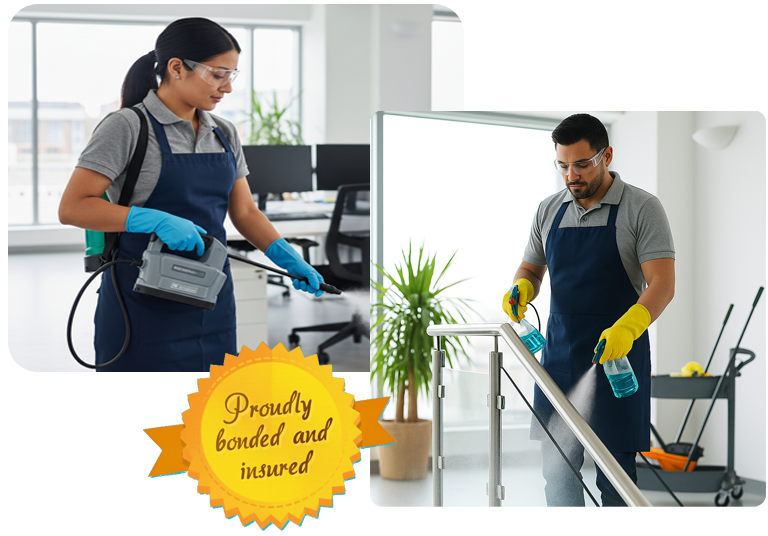
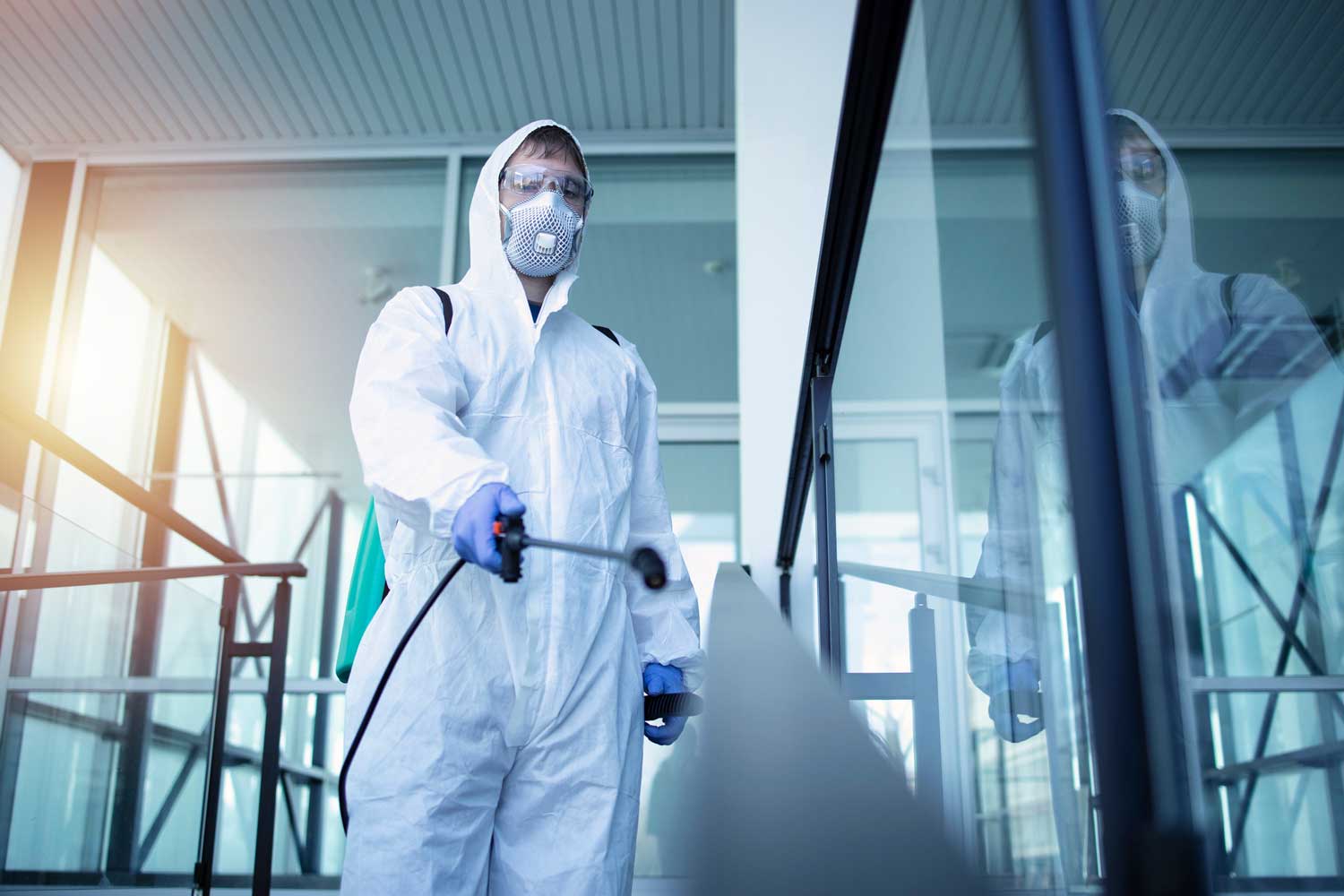
A sound office building cleaning blueprint begins with risk mapping. Think of the elevator lobby in Towson, the shared huddle rooms in White Marsh, or the bustling food court in an Aberdeen office campus. These areas cycle hundreds of hands per hour, so standard nightly dusting and mopping fall short. Facility teams should document high-touch points—door hardware, badge readers, handrails, vending machines, and shared keyboards—then assign cleaning frequencies aligned with actual use. In many Class A buildings across office building cleaning corridors, electrostatic disinfecting every 24 hours in these areas is becoming baseline, with microfiber wipe-downs timed to coincide with lunch rushes or shift changes.
Next comes chemical accountability. Tenants increasingly ask what products are used and how they affect indoor air quality. Selecting EPA List N disinfectants, like hydrogen-peroxide blends, offers broad-spectrum efficacy without leaving harsh residues on conference tables or phone booths. For buildings courting biotech or healthcare tenants, layering surface sealants that bond at a molecular level can extend protection between cleanings and reduce micro-scratching on modern finishes. When your office building cleaning partner can articulate the dwell times, dilution ratios, and safety data sheets for every product, you reassure occupants that their workspace aligns with corporate ESG goals.
Ventilation adds another layer. Mechanical systems in older office building cleaning stock often recirculate air more slowly, allowing viral particles to linger. Pairing routine coil cleaning with portable HEPA scrubbers in shared training rooms can reduce pathogen load while signaling to tenants that your property team understands the link between HVAC hygiene and occupant wellness. Some local landlords are even coordinating with cleaning crews to sanitize diffusers and returns during off-hours so that dust is not blown back onto recently wiped surfaces.
Waste management may seem mundane, but it matters. Overflowing bins in kitchenettes invite pests and undermine confidence in your broader office building cleaning program. Switching to touchless bins, enforcing compost and recycling protocols, and coordinating midday trash pulls minimize odors and cross-contamination. In multi-tenant corridors where security prohibits open access, consider RFID-operated cages so that cleaning technicians can service individual suites without compromising building safety.
Technology supports consistency. Digital inspection tools allow supervisors to log photos, timestamps, and corrective actions for every suite along the I-95 office building cleaning stretch. Sharing these dashboards with property managers fosters accountability and equips them with documentation when corporate tenants request proof of compliance during quarterly audits. Some facilities are piloting QR-coded “sanitized at” placards in restrooms or collaboration lounges, letting employees scan for real-time cleaning logs and elevating perceived cleanliness.
Training is the human backbone. Maryland’s seasonal humidity and winter salt both complicate floor care routines. Custodians should learn how to neutralize calcium chloride residue in lobby stonework, prevent mold opportunists on damp entry mats, and adjust vacuum filtration when pollen peaks. Cross-training teams in biohazard response ensures that an unexpected spill or illness is handled discreetly without shutting down an entire floor. The best office building cleaning crews also rehearse emergency disinfection drills so that if a tenant requests same-day service, they can mobilize within hours.
Communication keeps everyone aligned. Weekly check-ins between property managers and the cleaning lead should cover tenant feedback, upcoming events, and security updates. If a law firm is hosting a client summit, schedule an extra detail of their boardroom and ensure the coffee stations sparkle. When a tech tenant rolls out hot-desking, revisit supply placement so disinfectant wipes and hand sanitizer stay within easy reach. By tailoring services to each suite’s culture, you demonstrate that office building cleaning is not a commodity—it is a curated experience.
Finally, quantify the value. Track metrics such as tenant satisfaction scores, work-order response times, and absenteeism trends. Presenting this data to asset managers shows how targeted cleaning investments correlate with lease renewals and lower complaints. In a competitive leasing market, marketing teams can spotlight these wellness initiatives during tours, proving that the building’s cleanliness supports productivity and brand image.
If you need a locally attuned partner who understands the nuances of Baltimore County and Harford County properties, our team is ready to help. Tell us about your square footage, occupancy patterns, and regulatory requirements, and we will craft a custom office building cleaning program that keeps your tenants confident year-round. Call 443-866-6185 to schedule a consultation.
For more details, visit our main Sanitization & Disinfection page.