
Why smart office building cleaning decisions keep Maryland workplaces healthy, productive, and inspection-ready
Office building cleaning is more than a nightly wipe-down for commercial parks in Maryland. From Columbia Gateway to downtown Baltimore high-rises, facility managers are expected to deliver pristine lobbies, spotless elevators, and sanitized touchpoints that assure tenants their workplace is safe. Meeting that expectation calls for a structured program that blends preventive maintenance, OSHA-compliant products, eco-smart methods, and transparent reporting.
1. Start with a risk map unique to your property. Every office tower has high-traffic zones that dictate the pace of office building cleaning. Map daily footfall from parking decks to reception, note bottleneck areas like elevator banks, and flag specialized spaces such as data centers or executive suites. This helps cleaning partners stage equipment, prioritize touchpoints, and schedule micro-disinfection rounds exactly when congestion peaks.
2. Layer services for post-construction handoffs. Commercial parks continually renovate suites to accommodate new tenants. A tailored post-construction cleanup ensures drywall dust and adhesive residues never enter air handlers or mar polished stone. Pair HEPA-filtered vacuums with detail cleaning of millwork, window frames, and lighting tracks. Once the punch list is signed off, integrate the suite into routine office building cleaning so the new tenant experiences consistent quality from day one.
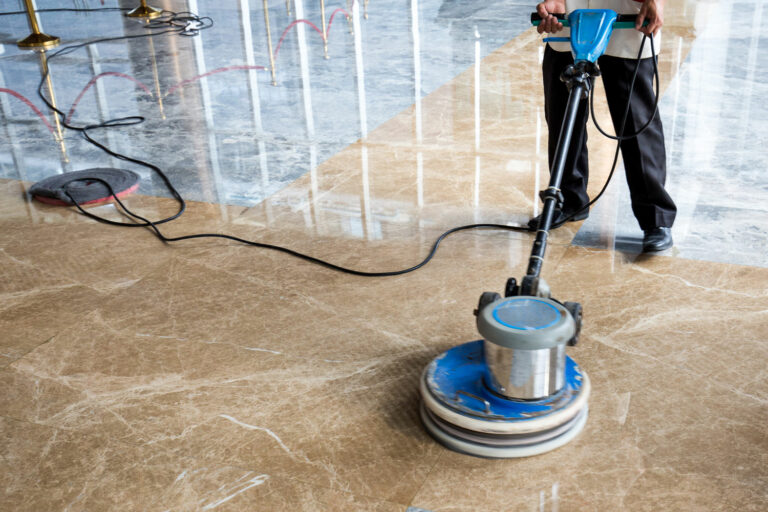
3. Spec the right floor care for each wing. Maryland office building cleaning often spans terrazzo lobbies, LVT corridors, sealed concrete amenity spaces, and traditional carpeted workstations. Each surface has its own slip requirements, sheen targets, and maintenance cycles. Schedule quarterly burnishing or recoating for hard floors with early-morning crews to avoid tenant disruption. For carpet, demand low-moisture encapsulation between annual hot-water extractions to minimize downtime and resist the Mid-Atlantic humidity that triggers odors.
4. Adopt sensor-informed restroom rotations. Facilities with smart occupancy sensors can feed real-time data to janitorial teams, ensuring restrooms with heavy use receive more frequent servicing. Even without sensors, logbooks and QR-coded request systems empower tenants to prompt touch-ups. Pair this with ATP testing to verify sanitation levels in faucets, flush handles, and stall doors—critical proof points when courting health-conscious corporations.
5. Prioritize indoor air quality alongside surface shine. Office building cleaning now extends upward to diffusers, vent covers, and ceiling fans. Quarterly dusting followed by electrostatic spraying reduces allergens and supports HVAC efficiency. Align this with filter replacement schedules and consider MERV 13 upgrades where feasible. Cleaner air directly correlates with fewer occupant complaints and improved cognitive performance—a compelling KPI for property managers negotiating leases.
6. Track outcomes with data-rich reporting. Today’s tenants expect transparency. Insist your cleaning provider delivers digital inspection reports, timestamped photos, and sustainability dashboards. These updates demonstrate compliance with corporate ESG goals and make it easy to share cleanliness benchmarks during quarterly tenant council meetings.
7. Prepare for seasonal pivots. Maryland winters bring salt, slush, and early sunsets; summers deliver humidity-driven microbial growth. Adjust cleaning chemistry and labor deployment accordingly. Winter protocols might feature extra matting, wet-vac units staged near entrances, and evening disinfection of communal breakrooms. Summer plans may emphasize floor fans for faster drying, odor-neutralizing treatments, and more frequent microfiber replacement.
8. Elevators deserve a specialized micro-routine. Mirrors, control panels, and thresholds require hospital-grade disinfectants that won’t damage finishes. Use lint-free microfiber on stainless surfaces, and apply non-ammonia glass cleaners to maintain crystal-clear cab aesthetics. Log every elevator service to reassure risk managers about infection control.
9. Champion sustainable practices tenants can see. Switching to Green Seal-certified products and reusable microfiber is no longer an optional perk. Clearly label eco-friendly initiatives in breakrooms and tenant newsletters so occupants recognize the effort. Many regional tenants tie lease renewals to visible sustainability commitments, so use office building cleaning as a platform to showcase your environmental stewardship.
10. Build in emergency-ready flexibility. Power outages, storm leaks, or unexpected spills demand fast mobilization. Ensure your cleaning partner maintains 24/7 dispatch capabilities—like a direct line to 443-866-6185—and pre-stages equipment for after-hours response. Rapid containment protects interiors and reinforces trust with tenants who rely on uninterrupted operations.
Ultimately, modern office building cleaning in Maryland hinges on partnership. Facility managers who collaborate with specialized crews gain proactive insights, budget predictability, and healthier environments that help businesses attract and retain talent. When cleaning is treated as an asset—not a checkbox—the entire commercial park benefits from higher occupancy, fewer complaints, and stronger lease renewals.
For more details, visit our main Post-Construction Cleaning page.
Ready to elevate your office building cleaning program? Call 443-866-6185 for a tailored assessment and discover how a strategic cleaning roadmap can keep your Maryland property sparkling year-round.