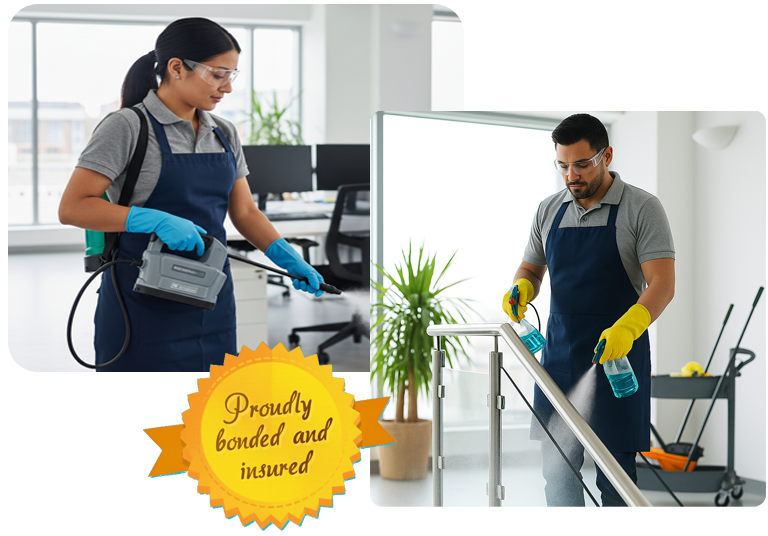

Explore how tailored office building cleaning plans keep local tenants healthier, happier, and ready for business
Property managers across the region are rethinking what office building cleaning really means. It’s no longer enough to vacuum the lobby and tidy up the restrooms; today’s tenants expect a finely tuned program that reduces sick days, protects their brand image, and delivers measurable value. Whether you manage a single mid-rise or an expansive business park, the right cleaning partner can turn routine maintenance into a strategic advantage.
1. Embrace data-driven cleaning routes
Modern office building cleaning should be guided by traffic patterns, sensor data, and tenant schedules. For example, a tower with staggered work hours might shift disinfecting tasks to late afternoon when conference rooms flip between teams. By logging usage hotspots—like elevator banks and shared kitchens—you can direct crews to the spaces that need attention most urgently. The result is fewer wasted labor hours and visibly cleaner touchpoints.
2. Elevate indoor air conversations
Ventilation discussions aren’t just an HVAC issue; they’re integral to office building cleaning. High-efficiency particulate air (HEPA) vacuums, low-dust mopping systems, and regular vent cleaning help keep airborne particles in check. Pairing this with quarterly interior window washing ensures more daylight and better morale. Communicate these efforts to tenants so they understand the practical steps you’re taking to modernize their work environment.
3. Match finishes with the right chemistry
Every office lobby in town seems to have a unique mix of stone, metal, glass, and wood. Office building cleaning teams should catalog each surface and specify cleaning chemistries that won’t etch marble, cloud stainless steel, or dull polished concrete. Contractors who invest in microfiber systems and pH-neutral products extend the life of those finishes, which translates into lower capital expenditures for property owners.
4. Build a rapid-response restroom doctrine
Restrooms remain the number one driver of tenant complaints. Creating a rapid-response protocol—where crews can be dispatched within minutes when a restroom alert hits—demonstrates that you treat comfort and cleanliness as a priority. Stockrooms should be monitored through digital inventory systems so hand soap, paper products, and touchless dispenser batteries never run out. This level of attention reflects the professionalism of your entire office building cleaning approach.
5. Plan for the “snack economy” mess
With more tenants offering snacks and catered lunches to entice staff back onsite, crumb trails and accidental spills are on the rise. Encourage tenants to notify your cleaning partner of recurring catering hours so night crews can pre-treat carpets and disinfect food prep counters. For larger corporate cafeterias, consider adding day porters who can cycle through during peak meal windows.
6. Introduce quarterly appearance audits
Partner with your cleaning vendor to walk the property each quarter using a detailed scorecard. Evaluate everything from ceiling vents to baseboards, checking for overlooked grime, scuffs, or dust. Office building cleaning isn’t just about daily tasks; these audits provide accountability and a roadmap for continuous improvement. Share the results with tenants to showcase transparency.
7. Align cleaning calendars with leasing cycles
Upgrade-level cleaning just before tours or renewals can significantly impact leasing decisions. Coordinate deep carpet extractions, floor refinishing, and front-of-house detailing with your leasing team’s schedule. A pristine building tells prospective tenants that management cares about every square foot, which can tip the scales in a competitive market.
8. Document sustainability credentials
Many organizations now require ESG reporting. Office building cleaning programs that utilize Green Seal-certified products, reusable mop systems, and water-wise equipment provide a boost to those sustainability efforts. Ask your vendor for monthly reports outlining chemical usage, recycled content, and waste diversion so you can feed accurate metrics into tenant scorecards.
9. Prepare for seasonal shifts
Winter salt, autumn leaves, and spring pollen all influence cleaning duties. Scheduling extra mat service during wet months protects lobby floors, while additional high-dusting before allergy season can reduce complaints. A proactive, seasonally adjusted office building cleaning plan saves money by preventing long-term damage and rewarding tenants with consistently tidy common areas.
10. Establish a communication loop
Finally, success hinges on clear communication. Provide tenants with a simple portal or QR code to log cleaning requests, and ensure your vendor responds within a set timeframe. Post cleaning schedules for shared amenities so employees know when to expect service. This transparency fosters trust and reduces duplicated effort.
When property managers treat office building cleaning as a strategic service rather than a background task, they gain healthier tenants, better retention, and a more competitive asset. If you’re ready to elevate your buildings with a responsive, data-informed program, call 443-866-6185 to discuss customized solutions tailored to your facilities.
For more details, visit our main Janitorial Services page.