Fresh strategies for business cleaning services that keep Baltimore workplaces confident, compliant, and ready for growth
Across Baltimore’s commercial corridors—from Port Covington’s modern hubs to long-established parks near Hunt Valley—tenants are measuring property managers by one clear metric: how safe the workspace feels. Business cleaning services that lean on traditional mop-and-bucket routines can no longer keep up with hybrid schedules, fluctuating occupancy, and the need for quick turnovers between meetings, showroom visits, or manufacturing shifts. Electrostatic disinfecting, once reserved for hospitals, is now the differentiator that helps local businesses communicate diligence without upending their operating budgets.
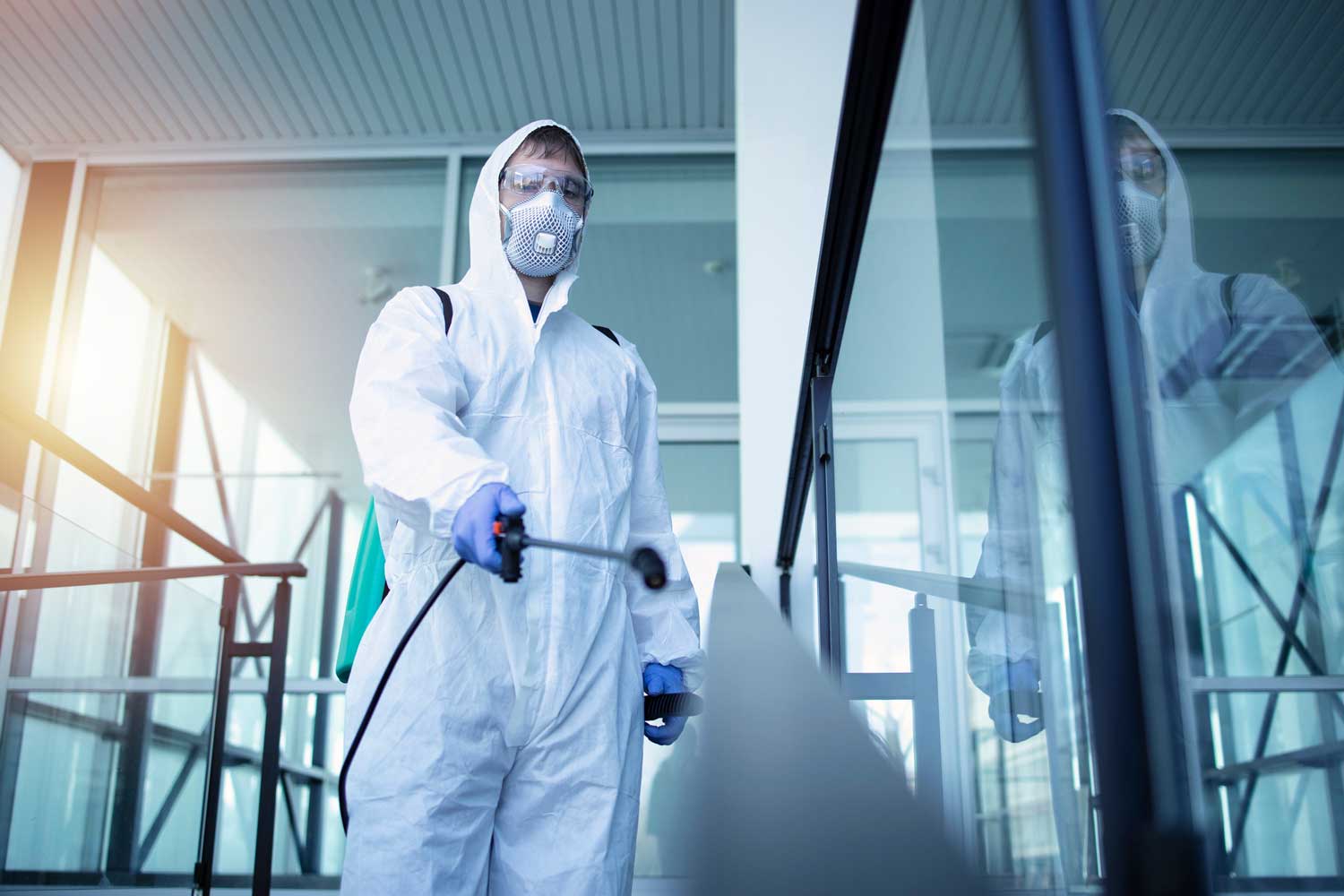
Electrostatic technology charges disinfectant droplets so they wrap evenly around desks, conference chairs, elevator buttons, and hard-to-reach crevices. For Baltimore-area companies balancing tight timelines, that wraparound coverage matters. Unlike spray-and-wipe methods that depend on perfect technique, electrostatic droplets actively seek surfaces, neutralizing pathogens on both the front and backside with fewer passes. That efficiency means cleaning teams can cover an entire floor in Canton or White Marsh in a fraction of the time, allowing tenants to reoccupy quickly while still meeting corporate compliance requirements.
One of the biggest misconceptions facilities managers share is that “clean” equals “disinfected.” Cleaning removes visible soil, but microbes can remain. Sanitizing only reduces populations of bacteria and viruses. True disinfection delivers the 99.999% reduction standard that business cleaning services must provide when supporting critical operations, such as biotech labs near Johns Hopkins Bayview or tech suites along Pratt Street. By integrating electrostatic disinfection into weekly or monthly routines, managers prove to procurement teams and HR leaders that they are hitting that higher threshold without overextending their crews.
Another advantage for Baltimore businesses is adaptability. Many parks host a mix of light industrial warehouses, open offices, and customer-facing showrooms. Electrostatic systems accommodate different surface types without swapping applicators or risking drips that stain polished floors. Charged droplets cling to stainless steel, vinyl, stone, and sealed wood, so the same pass can protect both warehouse racks and executive boardrooms. Add-ons such as antimicrobial surface sealants extend that protection, creating a smoother cleaning cadence that fits unpredictably busy seasons like holiday retail rushes or spring trade shows at the Convention Center.
Safety messaging is also easier when business cleaning services adopt electrostatic protocols. Tenants often want proof, not just assurances. Provide timestamped service logs noting when electrostatic spraying occurred in each suite, and pair them with QR codes posted near entrances. Employees and visitors can scan to see which EPA List N disinfectants were used and when the last service took place. This level of transparency keeps Baltimore-based companies ahead of lease negotiations, since prospective tenants increasingly ask how building owners verify their cleaning vendors.
For operations teams mindful of budgets, electrostatic programs scale neatly. Start by mapping “high-risk, high-touch” zones—think cafeteria tables at Owings Mills offices or shared lab benches in Columbia. Schedule electrostatic passes there after peak usage, then expand outward as ROI becomes clear. Many Baltimore property managers discover that elevating select zones curbs callouts due to illness, stabilizes workforce availability, and, ultimately, proves more cost-effective than blanket nightly cleanings that may not hit the right touchpoints.
Partnering with local business cleaning services also ensures compliance with Maryland’s environmental expectations. Reputable providers vet disinfectants for low VOCs and quick dwell times, reducing downtime and odor complaints. They will also document employee training, PPE use, and equipment maintenance—essentials if your organization undergoes safety audits or needs to demonstrate adherence to OSHA and CDC guidance. When evaluating bids, ask how frequently electrostatic sprayers are calibrated, what micron size their units produce, and how they validate coverage in complex spaces like server rooms or production lines.
Implementation is smoother when communication loops in HR and tenant reps. Provide them with simple talking points about the science behind electrostatic disinfecting and the cadence you’ve selected. Encourage tenants to align their in-house policies—such as hybrid schedules or visitor protocols—with the service timeline so spaces are clear when technicians arrive. This synergy minimizes disruptions and reinforces the message that the entire business park is unified around cleanliness and wellbeing.
If you are ready to build a defensible cleaning strategy for your Baltimore property, consult a provider who specializes in business cleaning services and understands local infrastructure. Commercial Cleaning Inc. integrates electrostatic technology with traditional janitorial workflows, so you can maintain day-to-day tidiness while layering on hospital-grade disinfection when it matters most. Their team can audit your space, recommend the right cadence, and train your staff on best practices for ventilation, surface preparation, and post-application verification.
Have questions or need a custom proposal for your facility in Baltimore City or the surrounding counties? Call 443-866-6185 to speak directly with a Commercial Cleaning Inc. specialist and map out a solution that matches your occupancy patterns, tenant expectations, and budget. For more details, visit our main Electrostatic Spraying page.