Why forward-thinking commercial cleaning plans across Maryland office parks rely on smarter sealants and sanitizing routines
Commercial landlords from Hunt Valley to the Port Covington waterfront know that the tenant experience lives and dies by first impressions. Yet scuffed floors, fingerprints on shared conference tables, and mystery smudges on elevator buttons can reappear within hours of a routine service. The missing ingredient in many commercial cleaning programs is a proactive layer of defense—modern surface sealants that extend the life of every disinfecting dollar invested. Let’s explore how facilities managers can weave this technology into their maintenance playbook and keep Maryland workplaces camera-ready between scheduled cleanings.
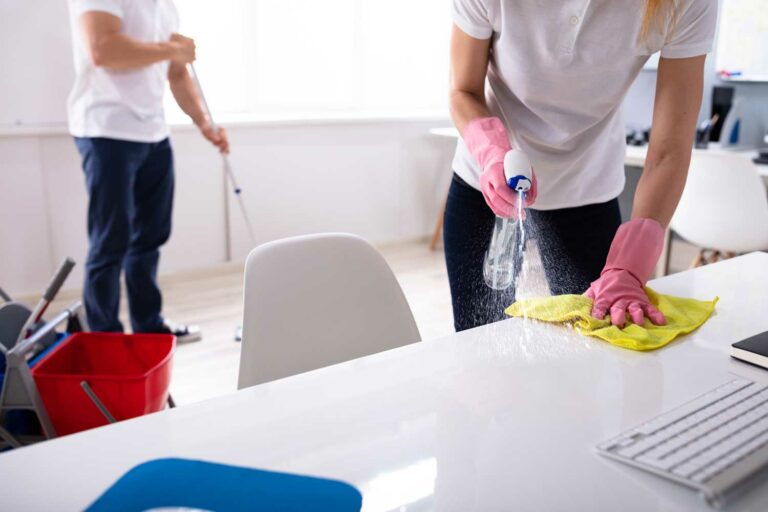
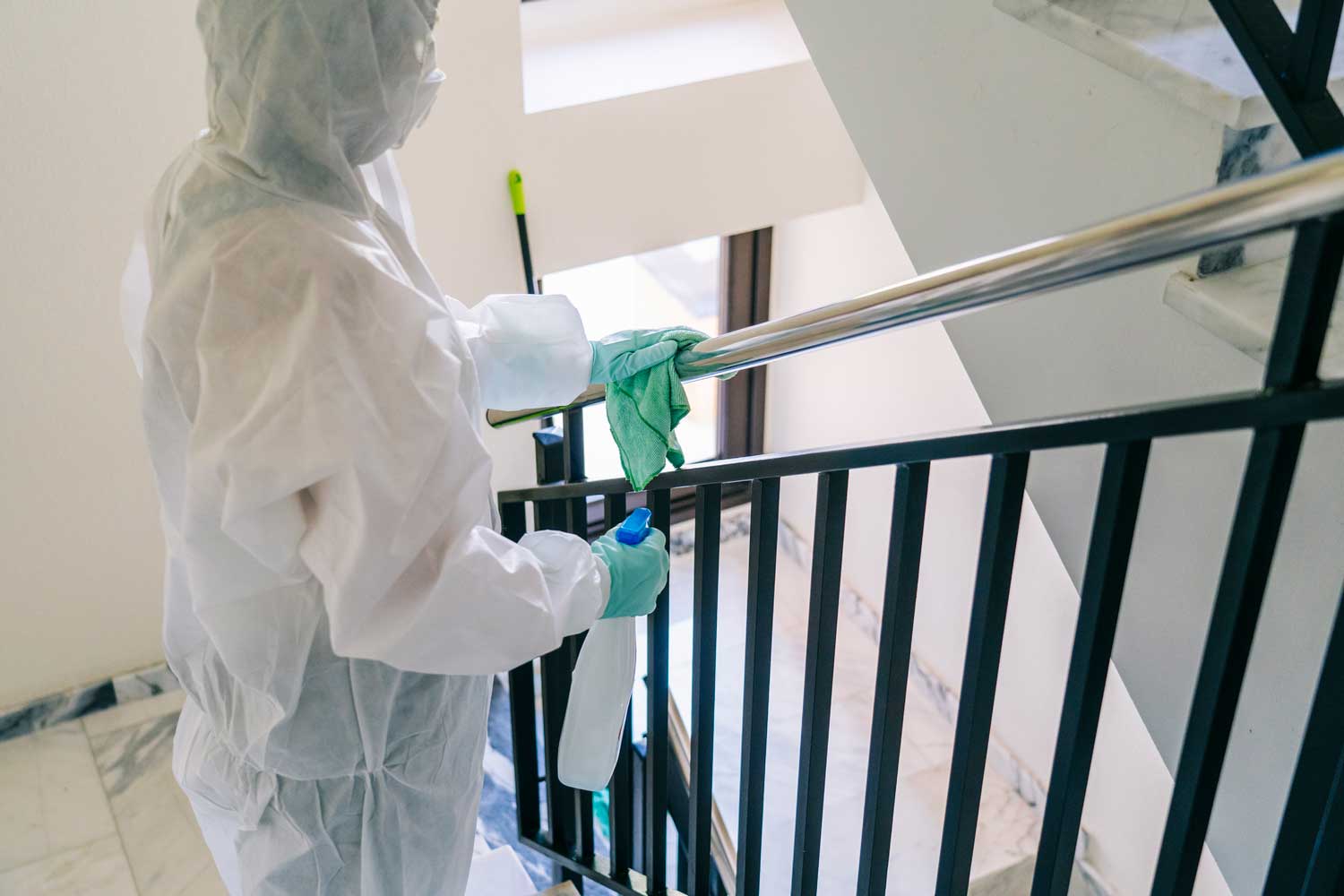
Start by auditing the busiest contact zones. Walk your property—whether it’s a multi-tenant office on Pratt Street or a light-industrial campus off I-95—and log every surface that sees frequent contact. High-touch spots such as entry door hardware, push plates, elevator rails, shared break room countertops, and restroom partitions should top the list. Even if your janitorial crew disinfects daily, these areas are exposed to hundreds of hands, coffee spills, and airborne grime. Sealants like CC Pro Endure and CC Pro Outlast add a microscopic barrier that resists contaminants, giving your commercial cleaning crew extra staying power between shifts.
Blend sealants with existing cleaning schedules, not instead of them. The most effective plans pair standard electrostatic or misting disinfection with a tier-two sealant service. In practice, that means your regular commercial cleaning visit tackles soils, dust, and immediate pathogens. Then, on a monthly or quarterly basis, technicians apply a nanotechnology sealant that bonds to the surface. This combination helps bustling Columbia business parks maintain hygienic lobbies even when foot traffic spikes during conference season, all without extending nightly labor hours.
Educate tenants on the science to boost confidence. Property managers often field questions from occupants about what makes one building’s indoor environment healthier than another. Sharing that your commercial cleaning partner deploys photocatalytic sealants—formulas that react with natural or artificial light to oxidize germs and VOCs—turns a routine update into a compelling amenity story. Independent lab tests by organizations such as Microchem Laboratory demonstrate that treated surfaces inhibit the growth of viruses and mold spores, which resonates with wellness-minded tenants and HR teams striving to reduce sick days.
Use food-safe sealants to protect hospitality zones. Baltimore’s mixed-use developments increasingly feature communal cafés, micro-kitchens, and pop-up tasting counters. Because CC Pro Endure complies with FDA regulations for repeated food contact, you can extend sealant protection to these sensitive areas without risking compliance headaches. A thin, invisible shield on stainless steel prep tables, acrylic sneeze guards, and porcelain tile in pantries keeps odors at bay and simplifies wipe-downs for on-site café staff.
Don’t overlook flooring, especially in weather-prone entrances. Maryland’s four-season climate means lobby floors are constantly challenged by salt, rain, and pollen. Applying a floor-specific sealant such as CC Pro Outlast to terrazzo, LVT, or polished concrete helps resist micro-scratches and staining. When paired with proper matting and regular burnishing, sealed floors stay glossy longer and require fewer aggressive stripping cycles—saving budget for other capital upgrades. Tenants notice the difference when their visitors aren’t greeted by dull or uneven flooring.
Quantify the return on investment. Facilities teams are used to justifying every expenditure. Track before-and-after data, like the number of interim spot clean requests, odor complaints, or elevator polishing sessions required each week. Many Baltimore-Washington corridor clients report a measurable reduction in emergency calls once sealants become standard. You can also compare consumable spending: sealed restroom partitions, for example, often require less harsh chemical use, protecting both materials and janitorial staff.
Plan for seamless application. Applying sealants typically requires a short curing window, so coordinate with your commercial cleaning vendor to schedule work after hours or during weekend tenant downtimes. In multi-tenant office towers, stagger the applications floor by floor to maintain building access. Communicate the schedule through lobby signage or tenant portals to remind occupants of the preventive work underway, reinforcing your commitment to a hygienic environment.
Leverage local expertise. Working with a Maryland-based commercial cleaning partner means faster response times when sudden needs arise—like a spill in a hotel ballroom or a lab cleanroom requiring emergency sanitizing. Local teams also understand compliance nuances, whether it’s adhering to Baltimore City’s green procurement guidelines or meeting FDA audits in suburban medical device facilities. If a rotunda’s skylights flood the lobby with UV rays, your vendor can select a sealant formulation optimized for intense light exposure.
Keep the communication loop open. Encourage tenants and on-site facility coordinators to report how surfaces perform between services. Are the elevator cabs staying fingerprint-free longer? Do cleaned desks resist ink stains after sealant treatments? These qualitative insights help fine-tune the intervals and surface combinations, ensuring every application pays dividends.
Ready to integrate advanced sealants into your Maryland commercial cleaning plan? Our team is on call at 443-866-6185 to design a tailored program for your office park, medical suite, or industrial complex.
For more details, visit our main Surface Sealants page.